


Navigating remote home renovation in Israel

Updated: Aug 12
Home design plays a meaningful role in connecting with the Israeli physical and cultural environment. An in-depth design process, professional project management and good communication ensure long-term satisfaction with both the journey and outcome. Not only does a successful, well-executed home renovation create a beautiful, tailored space, it facilitates a soft landing and cultivates a true sense of belonging.
Remote home renovation in Israel – TL;DR
Are you considering purchasing a property in Israel, or planning to renovate your home ahead of making Aliyah? This article explores how professional remote assistance saves time and money, delivers an enjoyable process, and optimal results.
This is especially relevant if you:
• Want to move forward with a purchase, building project or renovation in Israel from abroad
• Are seeking an experienced local professional to design, manage the project and represent your interests on site
• Are purchasing an older apartment that requires renovation and adaptation to modern living standards
• Want to tailor the home to your needs, lifestyle, personal taste and budget
• Wish to avoid unnecessary stress and costly mistakes
• Understand the home's deep phycological role in facilitating a smooth and comfortable stay in Israel
Below, I outline the essentials and how the process works.
Remote home renovation in Israel: Designing a home to support comfort and wellbeing
Home. an anchor offering a setting for connection, as well as physical and emotional recharging. To support your lifestyle in Israel, it must thoughtfully address everyday needs (such as storage, cooking, hosting, hobbies, shared family time alongside privacy etc.) while reflecting personal taste, cultivating a sense of home and belonging. A professional, attentive process based on collaboration and trust between the homeowners and the designer, crafts a space that feels familiar and personal, bringing a unique vision to life.
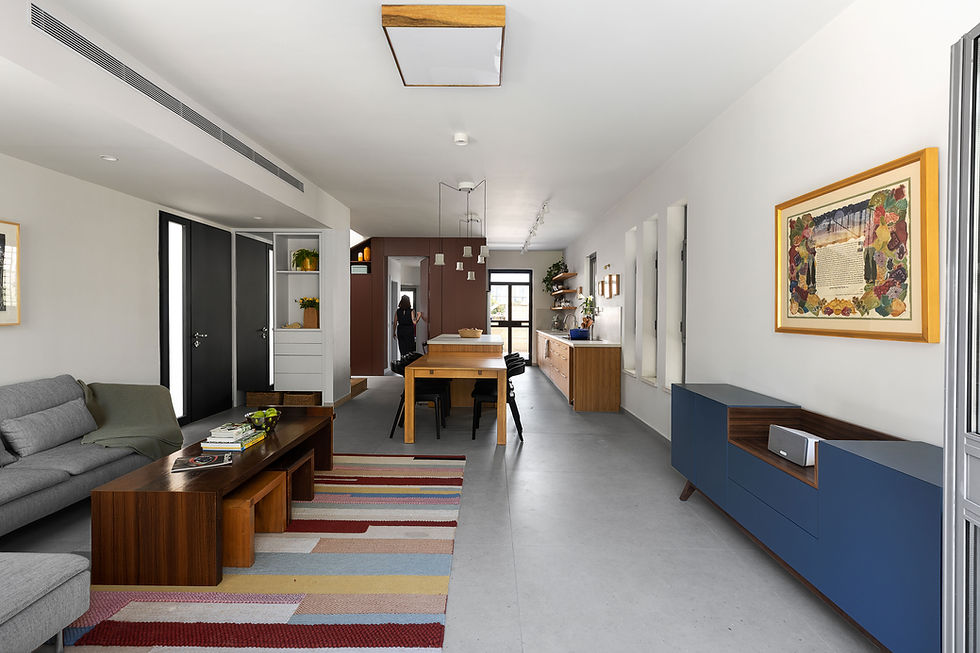
Remote home renovation in Israel - Getting familiar with local living standards
The average Israeli home may differ from what newcomers and Olim-hadashim are accustomed to. Floor plans tend to be compact, kitchens and bathrooms relatively smaller, and storage space limited. Infrastructure systems and technical solutions, such as water heating systems, HVAC, or the commonly used building materials - vary from those used elsewhere. Alongside new development projects, the housing market offers older apartments with charm and potential, that require thoughtful renovation to be brought up to contemporary living standards. Building or renovating are complex undertakings that require careful planning and professional guidance to fully realize a property’s potential, especially when homeowners are not present on site. The main challenge of managing a remote home renovation in Israel arises from a lack of experience and familiarity with local practices, as well as with a reliable network of professionals. An in-depth design process combined with professional project management, and complemented by clear, ongoing communication, lay the foundation for long-term satisfaction with both the journey and outcome. when meticulously planned and well managed, a home renovation project delivers not only a tailored, well-designed space, but a positive experience contributing to a soft landing in Israel.
Choosing the right professional to lead a remote home renovation in Israel - Architect or Interior Designer?
Understanding the distinction between architects and interior designers within the Israeli context, is a first step toward choosing the right professional to lead a remote home renovation project in Israel. The architect’s work focuses on designing the building itself - its exterior, systems, and rapport with the surrounding urban and geographic environments. Architects are also licensed to obtain building permits from municipal authorities. An interior designer’s expertise, on the other hand, lies in shaping day-to-day living experience within the space, both functionally and aesthetically. Home renovations focus mostly on interior work, and changes made to the interior layout do not require a building permit in Israel.
Interior designers collaborate with a range of consultants according to the project's specific needs. For example - engineers, when structural changes are required (That said, creative, practical design solutions can often be achieved without involving complex or costly engineering work). When partnering with an interior designer for a remote home renovation in Israel, it is important to factor in their availability to provide ongoing professional support during construction, addressing challenges that inevitably arise on site, to the homeowners and professional team.

A comprehensive approach to remote home renovation in Israel
Retaining an interior designer in the property scouting stage is advised, in order to assess the strengths and limitations of potential homes. Once the right property is selected, the designer works closely with the homeowners to maximize its potential, tailoring it to their needs, style, and budget, ensuring every aspect is addressed. Detailed drawings and specifications are prepared to enable accurate budgeting, and with costs clearly defined and the professional team in place, the renovation can move forward. As ongoing coordination and oversight are essential in such complex projects, the designer’s involvement in the construction phase is vital during a remote home renovation. Acting as the client’s representative, the designer serves as a professional liaison for contractors and suppliers, advises and oversees work on site, playing a key role ensuring the project is carried out seamlessly.

The playbook for remote home renovation in Israel
Communication is key: Regular Zoom meetings and email updates establish a clear, ongoing communication channel, enabling active involvement in the process, even from afar.
Initial property assessment: Evaluating potential properties to enable an informed and confident decision before purchasing your home in Israel.
Customized layout: A comprehensive design process, that includes tailoring the layout to the homeowners' needs, agendas and preferences, along with the full coordination of infrastructure systems: electrical, lighting, plumbing, heating, air conditioning, custom carpentry etc.
Design concept: A conceptual presentation outlines the design language, taking into account the geographic and architectural context as well as the homeowners’ personal style, guiding the material selections.
Purchasing and styling: Sourcing finishing materials, such as flooring and wall tiles, parquet, sinks, faucets, etc. as well as furniture, lighting, appliances, textiles, art and more.
Project management and on-site oversight: Detailed drawings and specifications are prepared to ensure accurate budgeting. With costs clearly defined and the professional team in place - the renovation goes ahead. Regular site visits are conducted throughout the construction period, maintaining close oversight.
Soft landing: Coordinating the final preparations before move-in, from furniture deliveries and appliance installation to connecting essential utilities such as gas, cable, and internet.
The process delivers a professional, seamless and friendly experience, tailored for remote home renovations in Israel. With experienced guidance, the project remains focused and enjoyable, stress is minimized and unnecessary mistakes are avoided - leading to an optimal result. Wishing you a warm welcome, and please feel invited to schedule a free Zoom consultation here to learn more.
FAQ - Remote home renovation in Israel
Q: Which is the right professional to lead my home renovation project in Israel, an architect or an interior designer?
A: It depends on the type of project. Architects' work mainly focuses on designing buildings and their rapport with the surrounding urban and geographic environments. They are also licensed to obtain building permits from municipal authorities. An interior designer’s expertise, on the other hand, lies in shaping day-to-day living experience within the space functionally and aesthetically. If you purchased a new apartment, or if you are renovating an old house, the project will mostly focus on interior work. An interior designer will functionally and creatively plan the layout, tailor the design to suit you, oversee on-site work, and provide the professional support needed throughout the project.
Q: Does an interior renovation in Israel require obtaining a building permit?
A: Interior work does not require a permit in Israel, allowing you to move forward with renovating your apartment or house without bureaucracy involved. According to the project's specific needs, interior designers regularly collaborate with consultants, for example - engineers, when structural changes are required (That said, creative, practical design solutions can often be achieved without involving complex or costly engineering work).
Q: Can a complex renovation project in Israel be managed while I’m physically abroad?
A: Absolutely. Regular Zoom meetings and email updates establish an open communication channel, enabling active involvement in the process even from afar. The interior designer then serves as the clients on-site professional representative - creating a comprehensive action plan and detailed specifications for pricing, assembling the professional team, and conducting regular site visits to ensure the plans are perfectly implemented.
Q: How long does the design and renovation process take on average?
A: The process usually takes between 6-12 months for an average apartment or house, depending on the project's scope. The planning and design phase (which includes layout planning, design concept development, selecting and sourcing finishing materials, and producing plans) takes about 3 to 4 months; and the renovation itself takes another 3 to 8 months. A well-managed project that is meticulously planned in advance, long before work begins, ensures smooth implementation, resulting in a minimal, focused timeline.


